
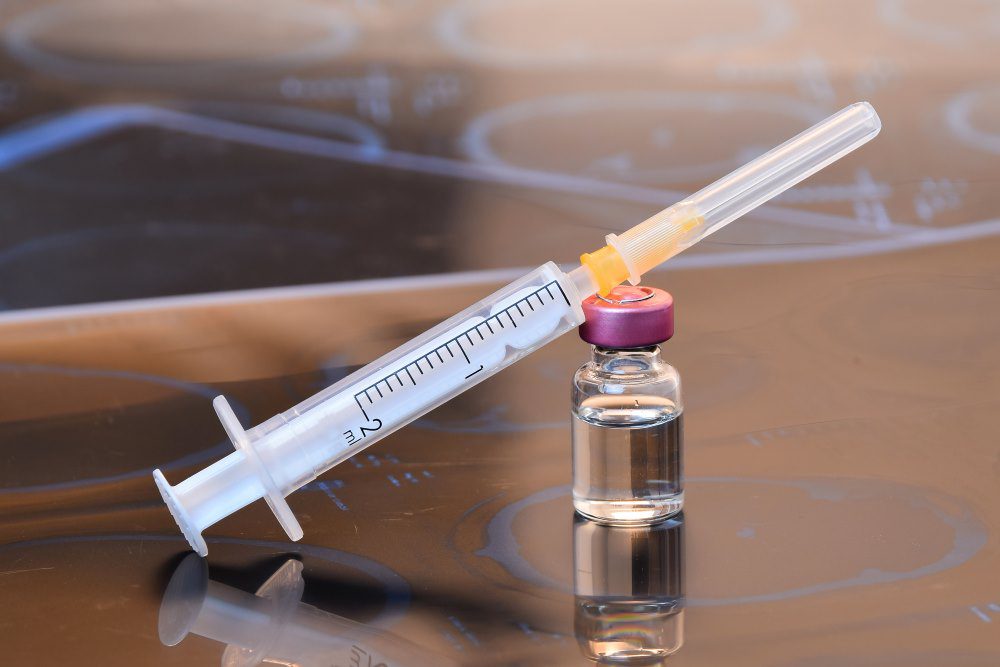
Before Botox was ever used to treat cosmetic issues, it was investigated as a way to control eye-related muscular problems. Even though Botox is now used to perform millions of non-surgical cosmetic procedures every year, research continues into areas where its unique characteristics can be used to address different medical conditions. This blog summarizes the main areas where Botox is used today to address medical problems.
Botox Relieves Chronic Migraines Quickly
Botox works by preventing nerve signals from activating muscles; this same mechanism can be used to block the transmission of signals related to pain. Botox has been found to be particularly effective when used to treat chronic migraines, especially when patients suffer from multiple severe occurrences, each lasting several hours.
Botox Improves Bladder Control
Botox can help patients suffering from the need to urinate frequently and who suffer from incontinence. In these cases, Botox relaxes muscles in the bladder wall. This helps reduce pressure in the bladder and, with it, the urge to urinate so often. This effectively increases the bladder capacity, protects kidney health, and reduces the involuntary bladder contractions that cause incontinence. Botox can be used in the same way to ease urinary problems linked to multiple sclerosis or spinal cord injuries.
Botox Eases Muscle Spasms Naturally
Muscle stiffness and spasms can result from strokes, cerebral palsy, and other neurological problems. Botox can be used to forcibly relax the specific overactive muscles that are involved, offering relief from involuntary muscle contractions and facilitating physical therapy. Botox is particularly useful for treating spasticity occurring in the limbs and neck.
Botox Reduces Excessive Sweating Effectively
Excessive sweating is also linked to nerve signals and in this case, signals that overstimulate the body’s sweat glands. Botox can block signals that trigger sweat glands, resulting in a significant reduction in unwanted perspiration. Botox can be used to treat this condition in the hands, feet, underarms, and on the scalp.
Botox Controls Drooling for Comfort
Some neurological disorders (such as Parkinson’s) can lead to persistent drooling due to overstimulation of the salivary glands. Botox can be used to reduce saliva production by blocking nerve signals that trigger saliva secretion. This can significantly reduce the problem, as well as prevent the skin irritation that often accompanies it.
Botox Alleviates TMJ Pain Safely
Overstimulated jaw muscles can cause nocturnal jaw grinding or clenching, leading to tooth erosion, muscle soreness, and stress-related headaches. Botox can be used to reduce the muscle hyperactivity which is at the root of the problem.
Contact Your Laser Skin Care to Learn More About How Botox Delivers Natural, Lasting Results
Your Laser Skin Care practitioners are medically qualified and have extensive experience performing Botox procedures. We tailor all Botox treatments to each patient’s needs and prioritize a minimalist approach and natural-looking results. We invite you to contact us for more information relating to Botox and its benefits, or any of the other non-invasive cosmetic procedures we offer. We can help you choose the safest, most effective, and most cost-effective way to achieve your cosmetic goals. Call us at (323) 525-1516 to schedule a free consultation, or visit us online for more information.