




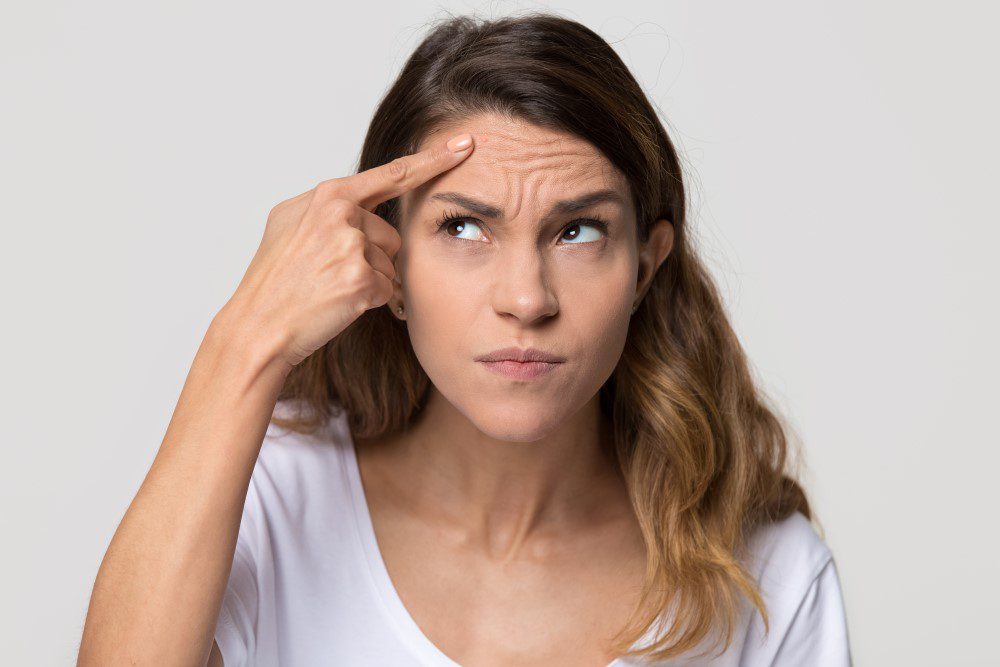
Botox resistance is a complex topic, and in many cases, facial muscles adapt to repeated Botox treatments, reducing the dose needed to maintain desired results over time. In less than 1% of cases, however, reduced response to further Botox injections is observed. There are several reasons why this can occur, which this blog explores.
Reasons Botox Might Not Work Over Time
The Immune System’s Antibody Response
In extreme cases, the body can react to Botox injections by producing antibodies that act to neutralize the effects of the Botulinum toxin that is the active ingredient in Botox. Repeated high doses of Botox can increase the chance of this happening, although it is suspected that genetic factors also make some patients more susceptible.
Sometimes, switching to another brand or formulation can help fix this problem.
Other Factors Leading to Reduced Effectiveness
If you see reduced effectiveness over time, it’s far more likely that other factors have come into play. Individuals with rapid metabolisms can see the effects of Botox treatments fade more rapidly than others. High levels of physical activity can speed up the process whereby Botox is metabolized and absorbed into the body, as can some medications. Rapid weight changes, hormonal changes, and increased levels of stress can also alter the body’s response to Botox, including how the product diffuses away from the injection site over time.
As a normal result of the aging process, levels of collagen in the body reduce over time. This can result in the gradual deepening of lines and wrinkles, which in turn require larger doses of Botox to effectively address. This can be misinterpreted as Botox losing its effectiveness over time.
There are also, unfortunately, other more straightforward reasons why Botox treatments become less effective – the use of diluted, or expired Botox products, and inexperienced practitioners, can also significantly influence outcomes.
Medical vs. Cosmetic Usage
It’s far more likely that resistance will develop in response to larger Botox doses, as may be associated with medical use of the product. Cosmetic Botox treatments typically use far smaller doses and, therefore, carry a greatly reduced risk of adverse long-term reduced effectiveness. Use of Botox to address migraine headaches, in particular, can result in an increased risk that the body develops antibodies in response to treatment.
Strategies to Prevent Botox Resistance
Several things can be done to reduce the chance of developing long-term resistance to Botox. Spacing treatment sessions further apart will reduce potential problems, as can avoiding combining several different cosmetic treatments in single sessions.
If you do see reduced response to Botox, consider pausing treatments for anywhere between 5 and 24 months to allow time for antibody levels to decrease naturally. Your practitioner should be monitoring your long-term response to Botox treatment, and can adopt different strategies to maintain the effectiveness of treatments while reducing dependency on high doses of Botox.
Choosing a practitioner who prioritizes skillful application of reduced Botox doses over blanket application of large doses will give you far better natural-looking long-term results, as well as saving you money.
Consult Our Botox Experts at Your Laser Skin Care
Your Laser Skin Care practitioners are medically qualified, with extensive experience performing Botox procedures over the long term. We tailor all treatments according to each patient’s needs. We invite you to contact us for more information on this or any of the other non-invasive cosmetic procedures we offer. We can help you choose the safest, most effective, and most cost-effective way to achieve your cosmetic goals. Call us at (323) 525-1516 to schedule a free consultation, or visit us online for more information.