





While there’s no direct reason that consuming alcohol should adversely affect the outcomes of Botox treatments, there are several factors that might lead you to err on the side of caution, and decide to limit or avoid alcohol, especially immediately before or after treatment. This blog will explore these factors in more detail. Alcohol Acts as a Vasodilator Alcohol is widely known to act as a vasodilator, meaning that it...
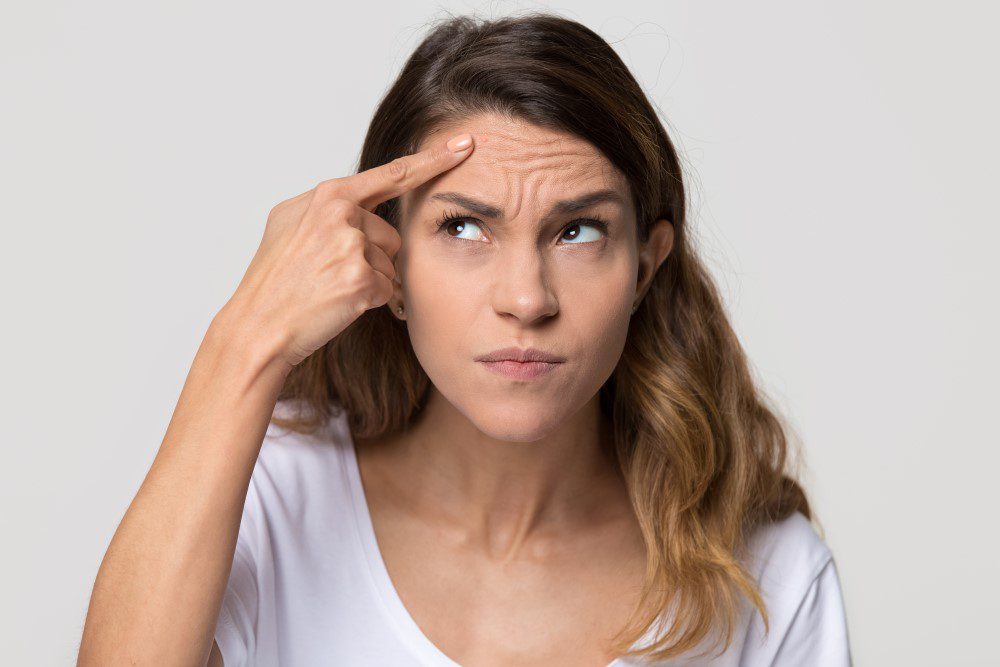
Botox resistance is a complex topic, and in many cases, facial muscles adapt to repeated Botox treatments, reducing the dose needed to maintain desired results over time. In less than 1% of cases, however, reduced response to further Botox injections is observed. There are several reasons why this can occur, which this blog explores. Reasons Botox Might Not Work Over Time The Immune System’s Antibody Response In extreme cases, the...
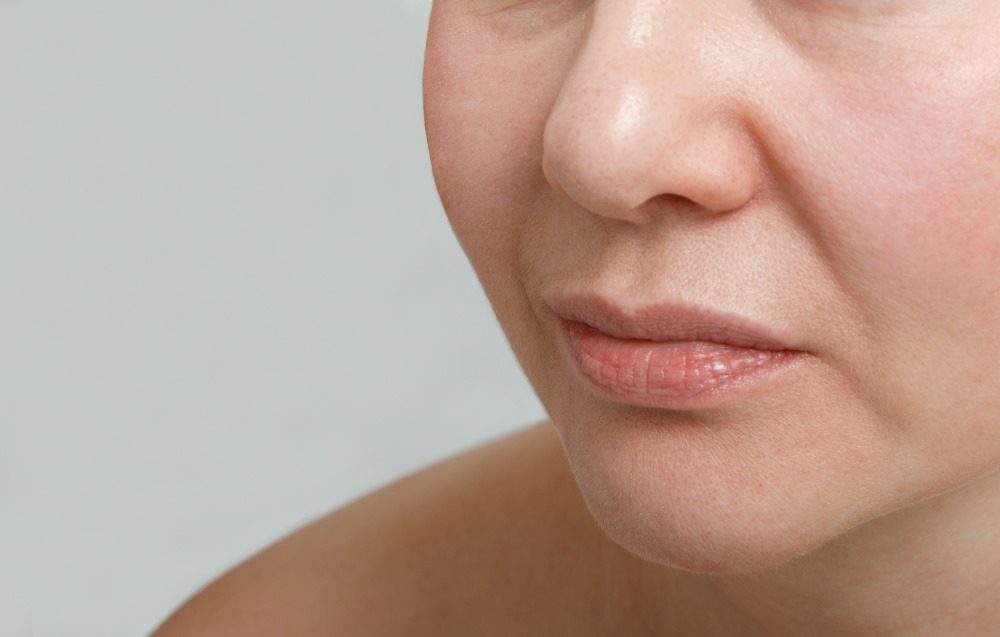
Nasolabial folds are the name given to the creases that run from the sides of the nose down to the corners of the mouth. They become more apparent as we age and our skin starts to lose its elasticity, and fat deposits beneath the skin start to shrink. In some cases, nasolabial folds are caused by a loss of volume around the base of the nose, while in others, they...
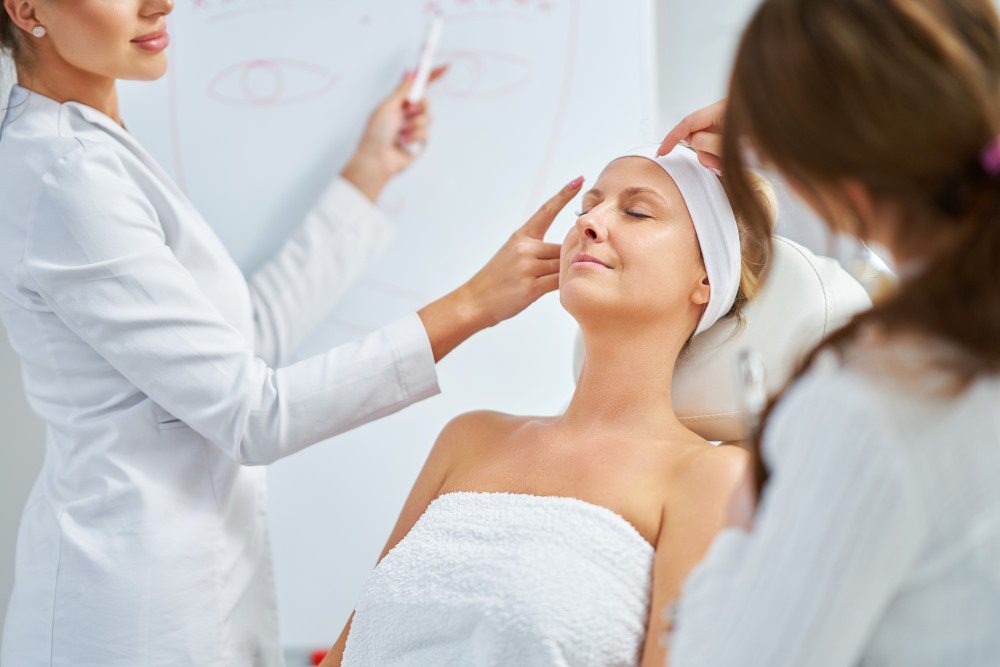
Botox works by limiting or preventing muscle movements in specific locations. Its effects typically last for between 3 and 6 months, during which time overactive muscles can rest, while untreated adjacent muscles have the opportunity to become more active. When applied skillfully, the Botox practitioner has the opportunity to rebalance or retrain facial muscles, improving facial dynamics while avoiding crudely paralyzing facial movement. Achieving Balance in Everyday Expressions Botox is...

The primary usage of Botox does not directly influence sleep quality, but Botox has many potential uses, and it can be used to treat several non-cosmetic conditions that can have a significant effect on the overall quality of sleep. This blog examines these situations. Botox and Sleep Bruxism Sleep bruxism is the name given to the involuntary clenching or grinding of the teeth while sleeping. It’s a relatively common problem,...
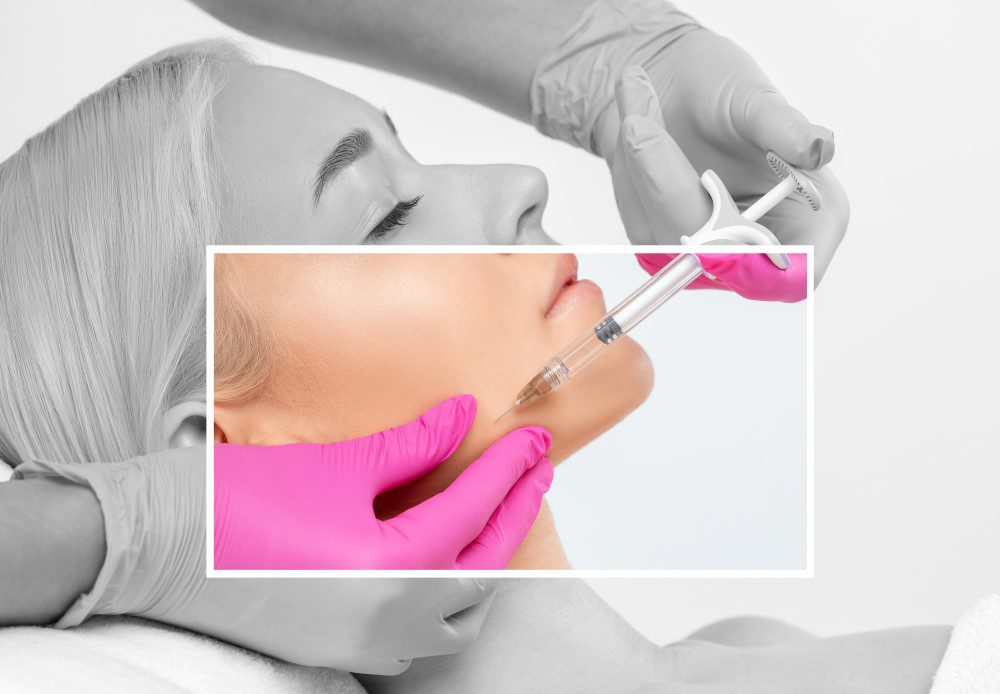
Botox works in places where the formation of lines and wrinkles is directly caused by repetitive muscle activity. It works by temporarily blocking the transmission of the nerve signals that cause individual muscles to contract. As a result, some parts of the face respond far better to the application of Botox than do other locations. The areas where Botox is useful are influenced by facial anatomy, and the size of...
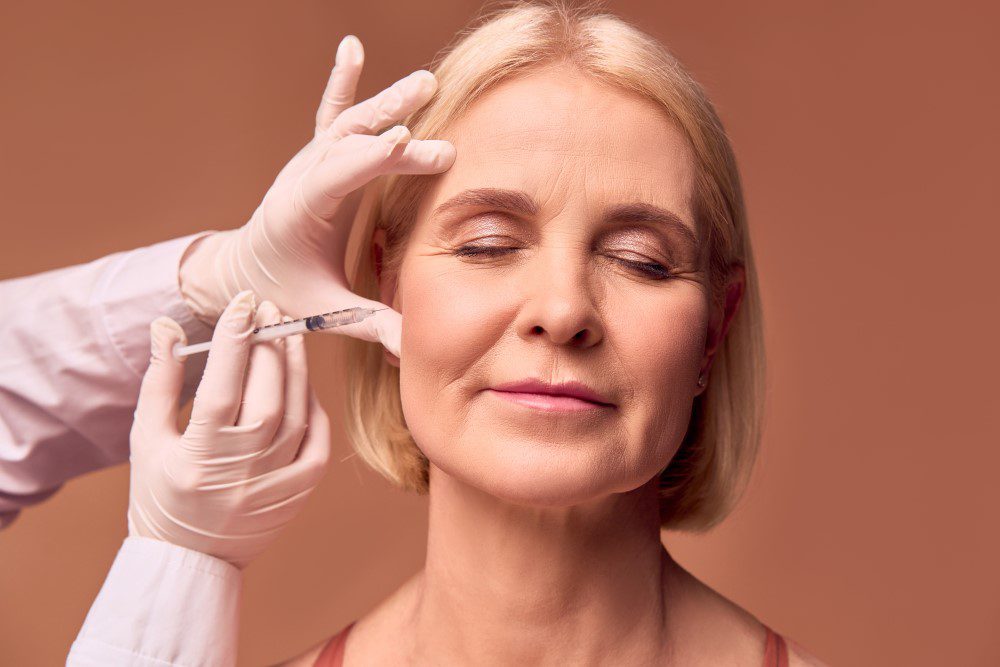
A common age-related complaint is the development of sunken cheeks. They’re associated with aging and are also commonly assumed to indicate health problems, malnutrition, or illness. They also result in generally unwanted changes to the proportions of the face, and can often exaggerate the appearance of other parts of the face, including the jawline and under-the-eyes. While dermal fillers are the go-to treatment for loss of volume around the face,...
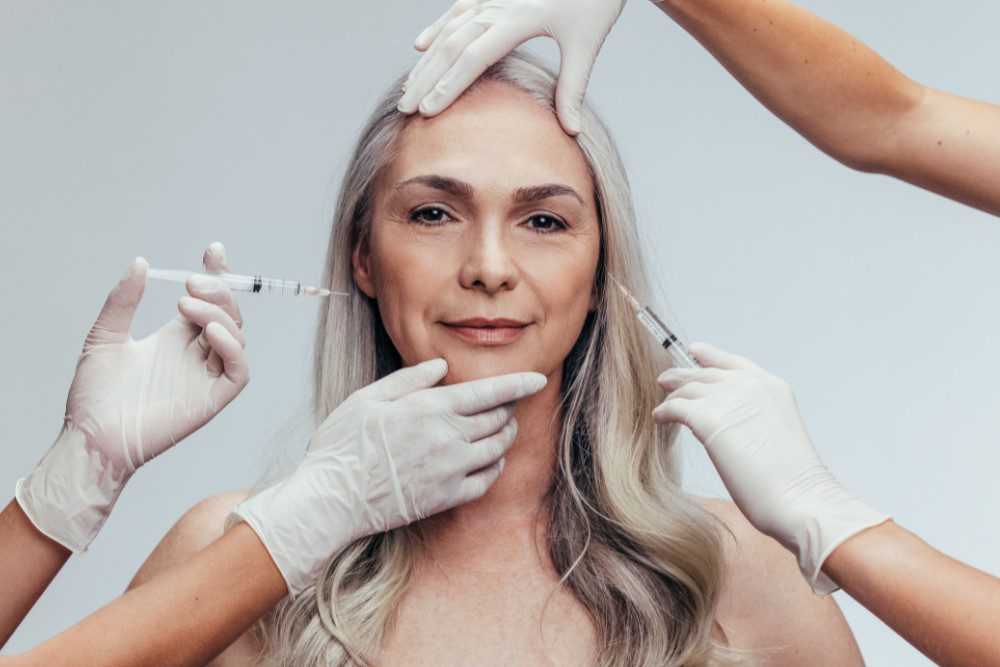
Botox has become the most frequently used minimally invasive cosmetic procedure by a significant margin. Unfortunately, despite its popularity it’s also one of the procedures where the skill and experience of the practitioner plays a large part in determining how successful the procedure is, and just how natural-looking are the results achieved. Why is Overdone Botox Even an Issue? Botox is derived from the botulinum toxin, which is a neurotoxin...
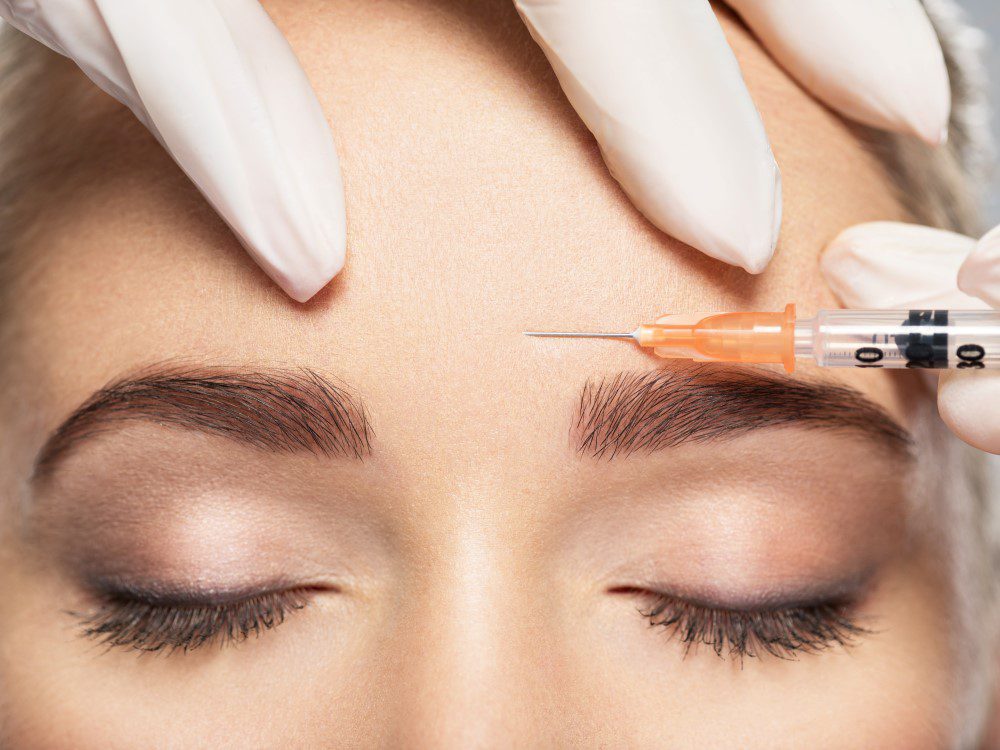
Figuring out exactly how much Botox to use when treating facial wrinkles is far from simple – it requires scientific knowledge, experience, but also the kind of wisdom that comes from years of performing treatments on different patients, and monitoring the results. Science behind Botox’s Function Botox works by blocking the transmission of nerve signals at the point where nerves pass these signals to connected muscles. Blocking the transmission of...
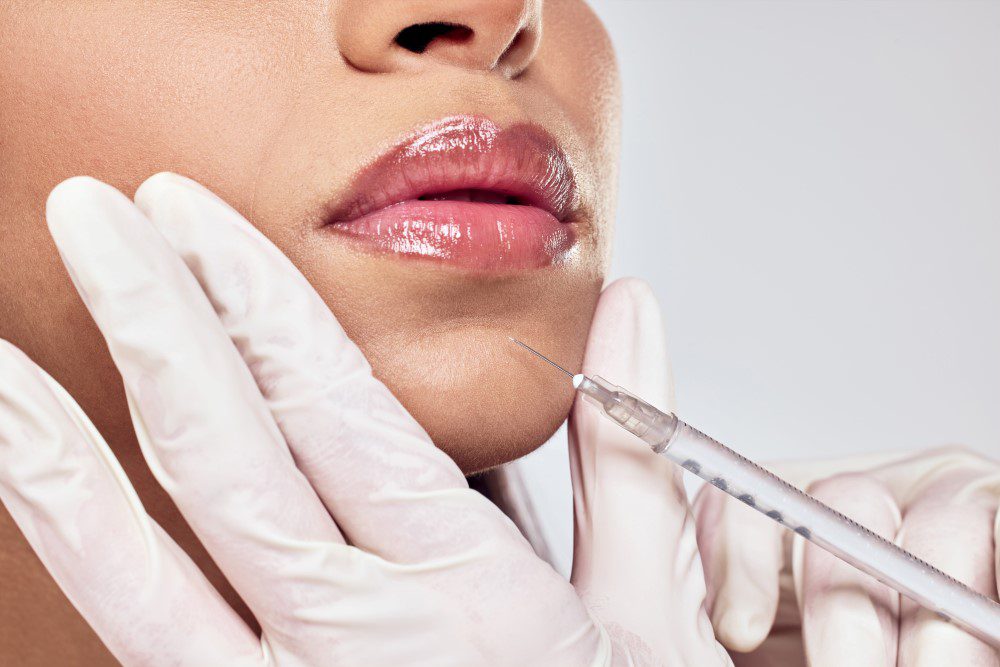
How Botox Can Help Smooth Chin Dimples
Posted on August 6, 2025 by
Some people’s chins are heavily textured or pockmarked, a condition often called ‘pebble chin’, or ‘orange peel chin’. This is rarely a desired appearance; fortunately, in many cases, Botox is able to offer a full or partial solution. This blog will discuss this problem and the Botox solution. What Causes Chin Dimples? The mentalis muscle is a symmetrical pair of muscles on both sides of the mouth, connecting the tip...
Meet Dr. Fedonenko

Dr. Eleonora Fedonenko is a member of the American College of Physicians and is Board Certified in Internal Medicine.
She completed her Residency at the University of Virginia School of Medicine in 1998 and has since specialized in Cosmetic Dermatology.
She obtained additional training in aesthetic medicine procedures soon thereafter, and the results of her extensive training and experience show in each and every patient’s face. She’s a doctor that can truly been trusted with your skin care and anti-aging needs.